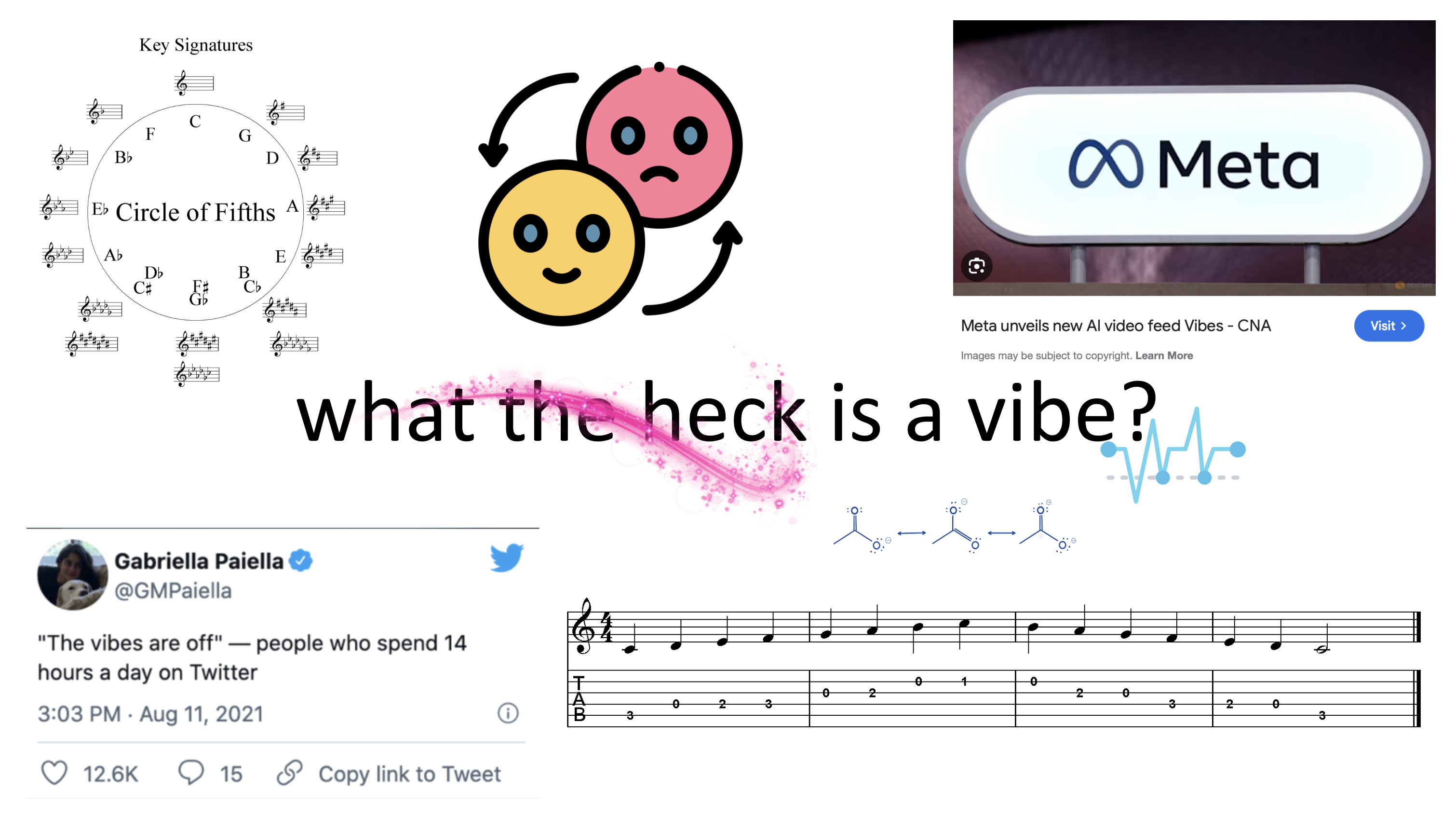
Vibecrunching: Heuristic Interpretation of Information in the Age of AI
What’s the vibe? How do you know? This talk presents work in progress from a dissertation project examining how information from expert domains changes as it circulates across audiences, platforms, and AI systems. The project investigates how people evaluate plausibility through heuristics: the signals, cues, and patterns that make information feel a certain way. How do readers align forms of online knowledge with recognizable tones, tendencies, or trends?
The talk introduces vibecrunching, a methodological approach that combines computational analysis with interpretive methods to study how these feelings or judgments emerge as information moves across contexts. Drawing on examples from scientific research, public-facing explanations, and generative AI outputs, the project explores how meaning shifts through processes of translation, simplification, and recombination. The presentation also reflects on ongoing collaborative work with the UCLA AI & Cultural Heritage Lab (AICHL), where these questions are examined in relation to historical narratives produced by large language models, including analyses of how AI systems generate and circulate accounts of events such as the Holocaust.
Together, these cases highlight how AI-generated narratives often optimize for plausibility and narrative coherence rather than evidentiary grounding, making the interpretive heuristics through which readers recognize credibility, bias, and accessibility an increasingly important site of analysis.