Media
Presentations, podcasts, interviews, and media appearances from our research.
Kind
Presentation type
31 of 31 items
Presentations
International Holocaust Remembrance Day Lecture
Kathryn Huether
Futures of Holocaust Memory: Ethical and Technological Challenges
Kathryn Huether, Todd Presner, Brett Ashley Kaplan (University of Illinois Urbana-Champaign), Laura Levitt (Temple University), Noah Shenker (Colgate University)
Sounding Traumatic Memory
Kathryn Huether
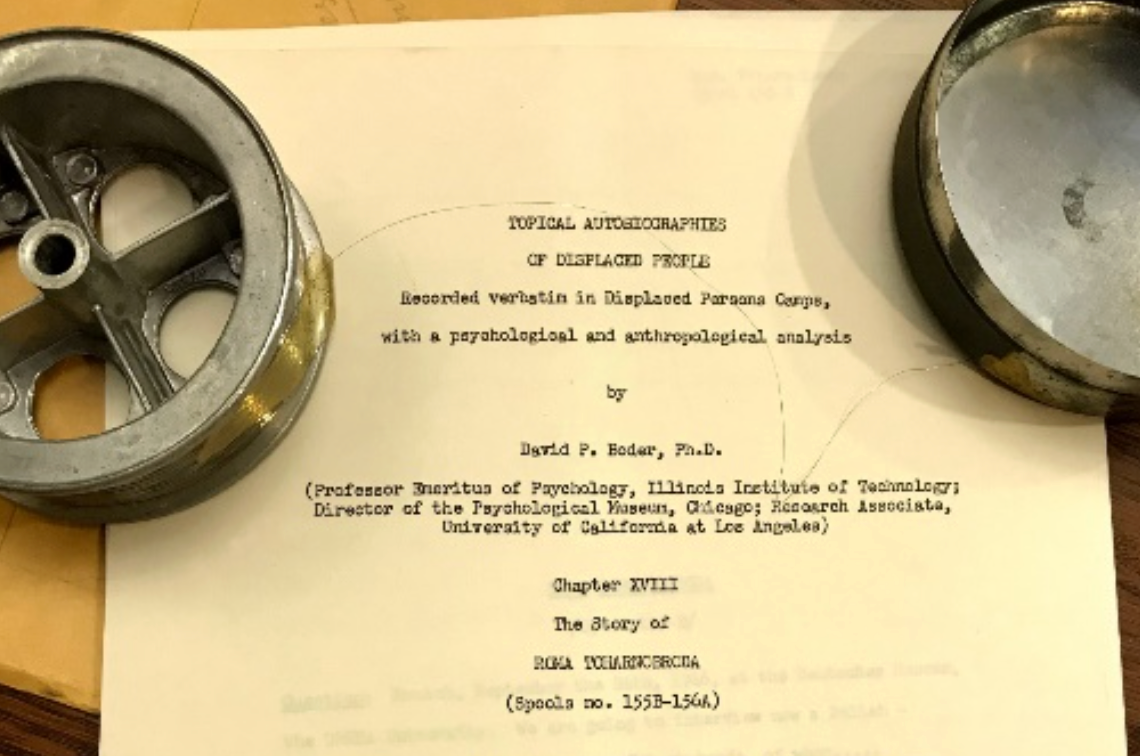
David Boder's Integrated Methodology: Digital Humanities Avant la Lettre
Todd Presner
Artificial Witness: AI and the Politics of Trust
Kathryn Huether
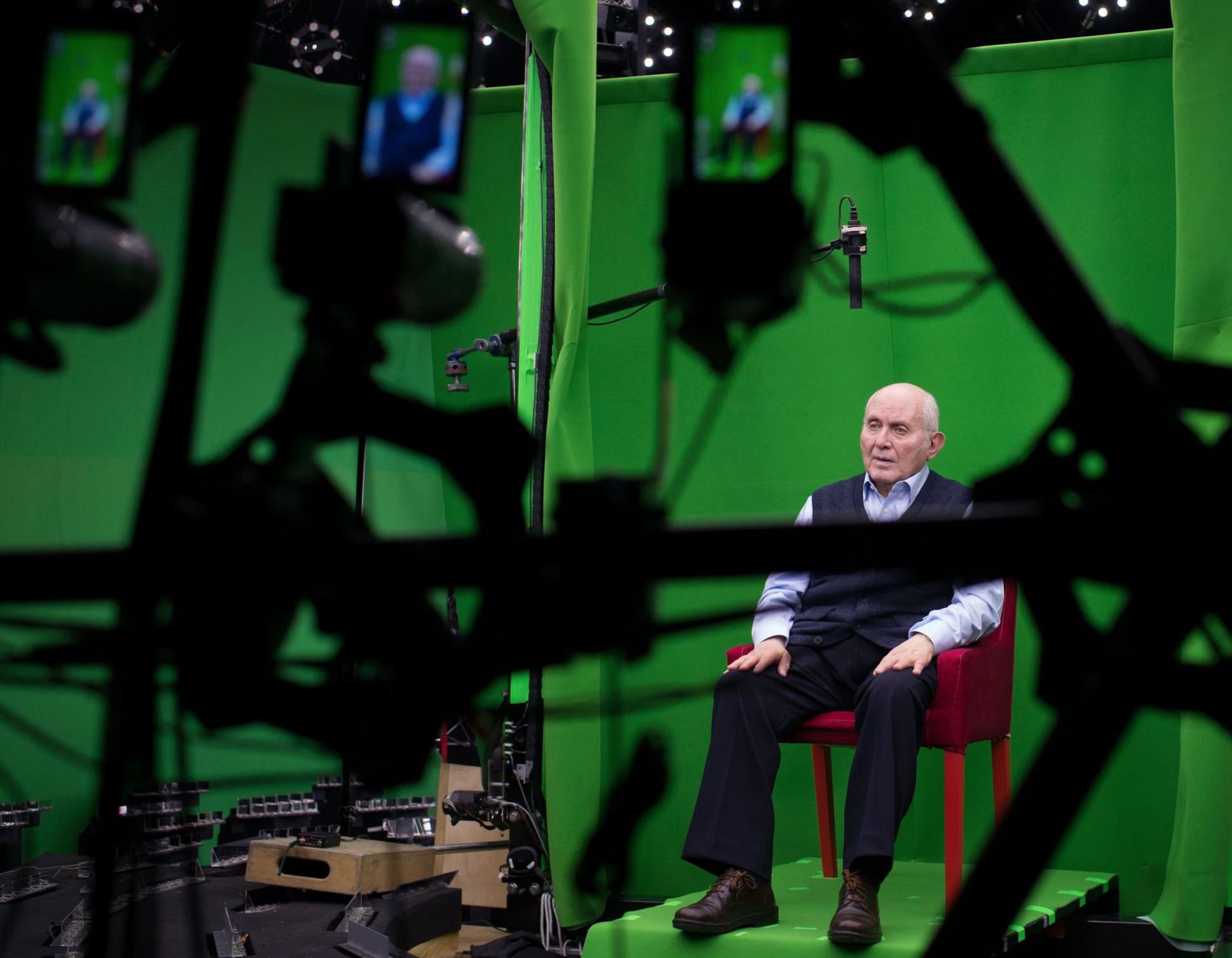
From the Embodied Witness to the Statistical Witness: The Ethics of AI vis-a-vis the Historiography of the Shoah
Todd Presner
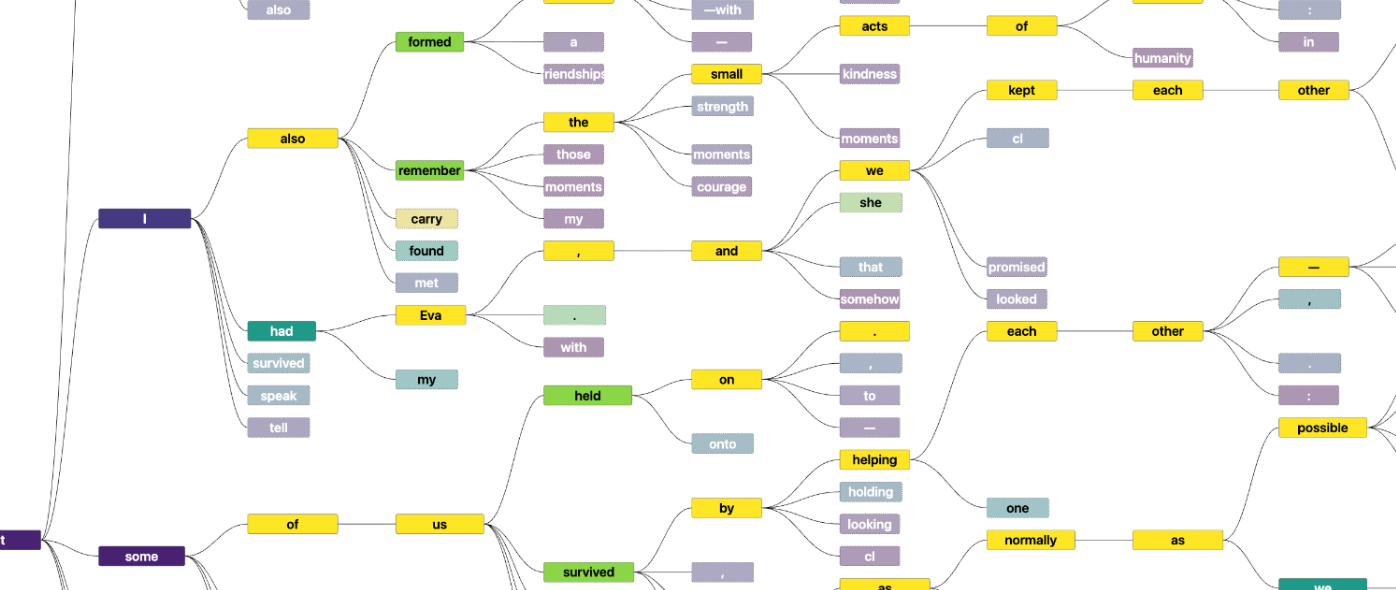
Holocaust History and Memory in the Age of AI
Todd Presner
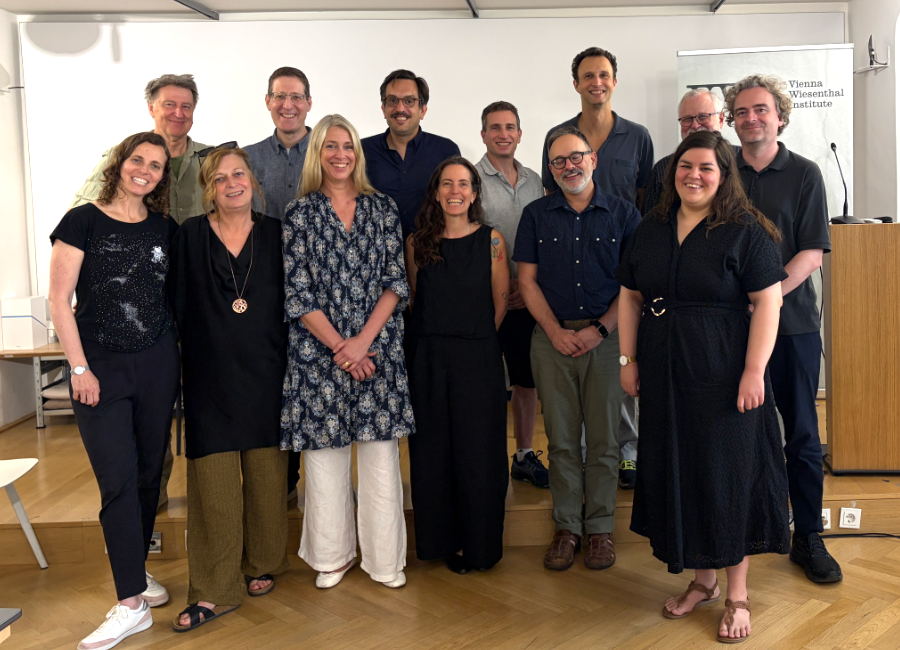
Ethical and Methodological Approaches to Holocaust Testimonies: Bridging Oral History and Digital Humanities
Todd Presner

AI through History, History through AI
Todd Presner
The Future of History in the Age of A.I.
Todd Presner
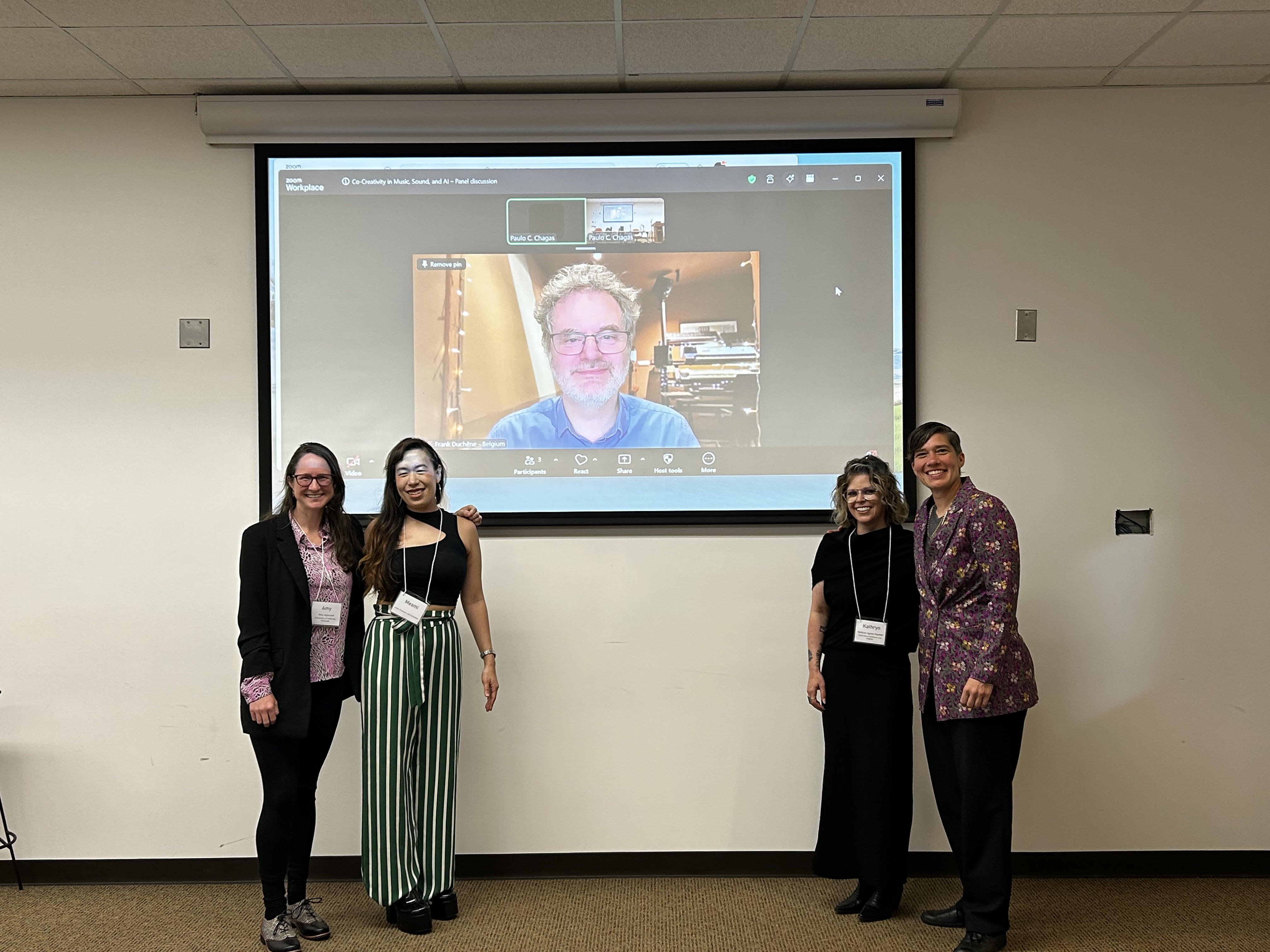
AI and Musical Creativity
Kathryn Huether
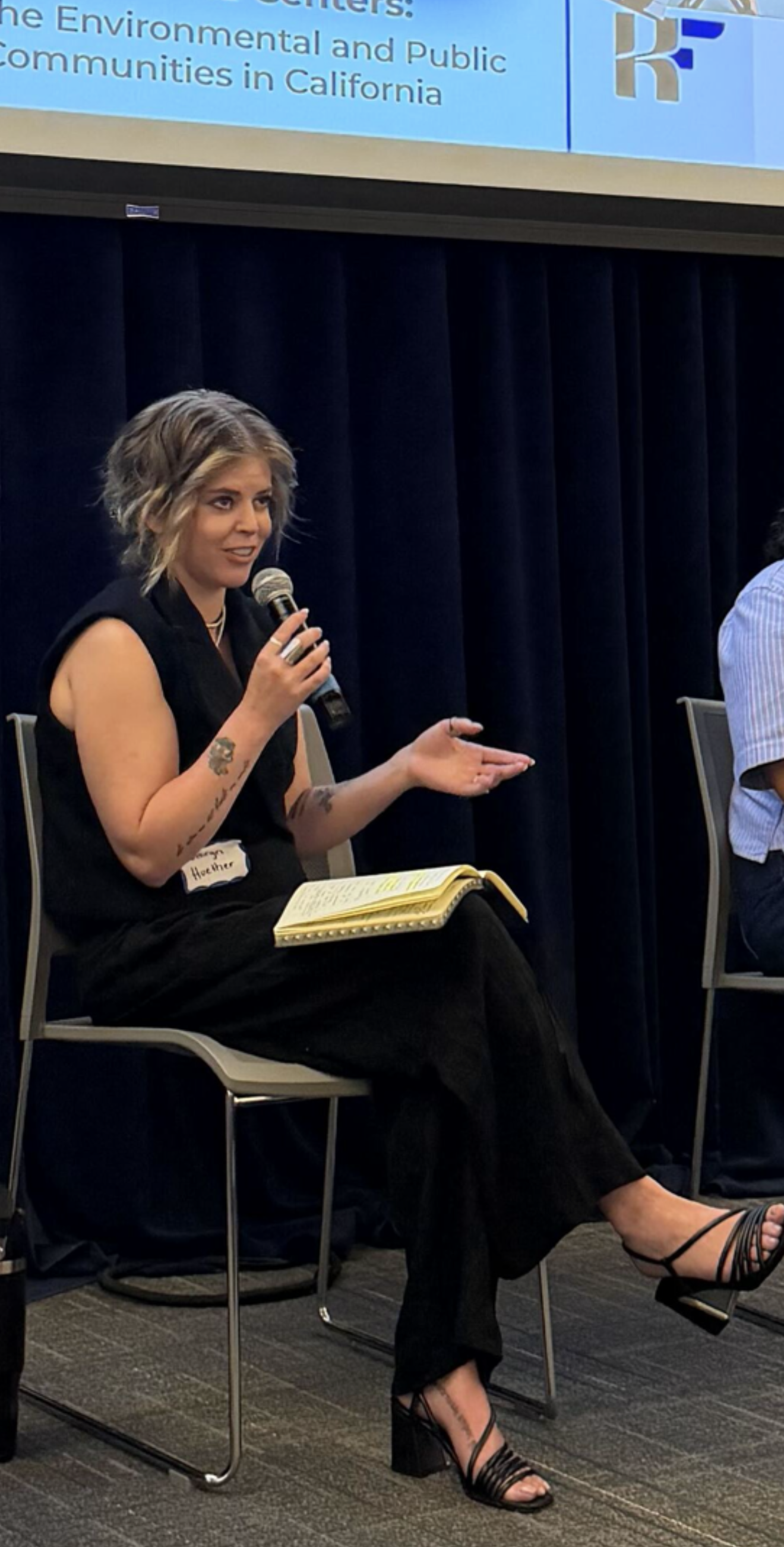
2026 BKI Impact Symposium, "Toward a Better AI?: Can AI combat hate with kindness?"
Kathryn Huether
From Archive to Platform: Sonic Framings and (Re)Framings of Holocaust Images
Kathryn Huether

Holocaust Memory and History in the Age of AI
Todd Presner
Contexts of 'Context'
Ulysses Pascal
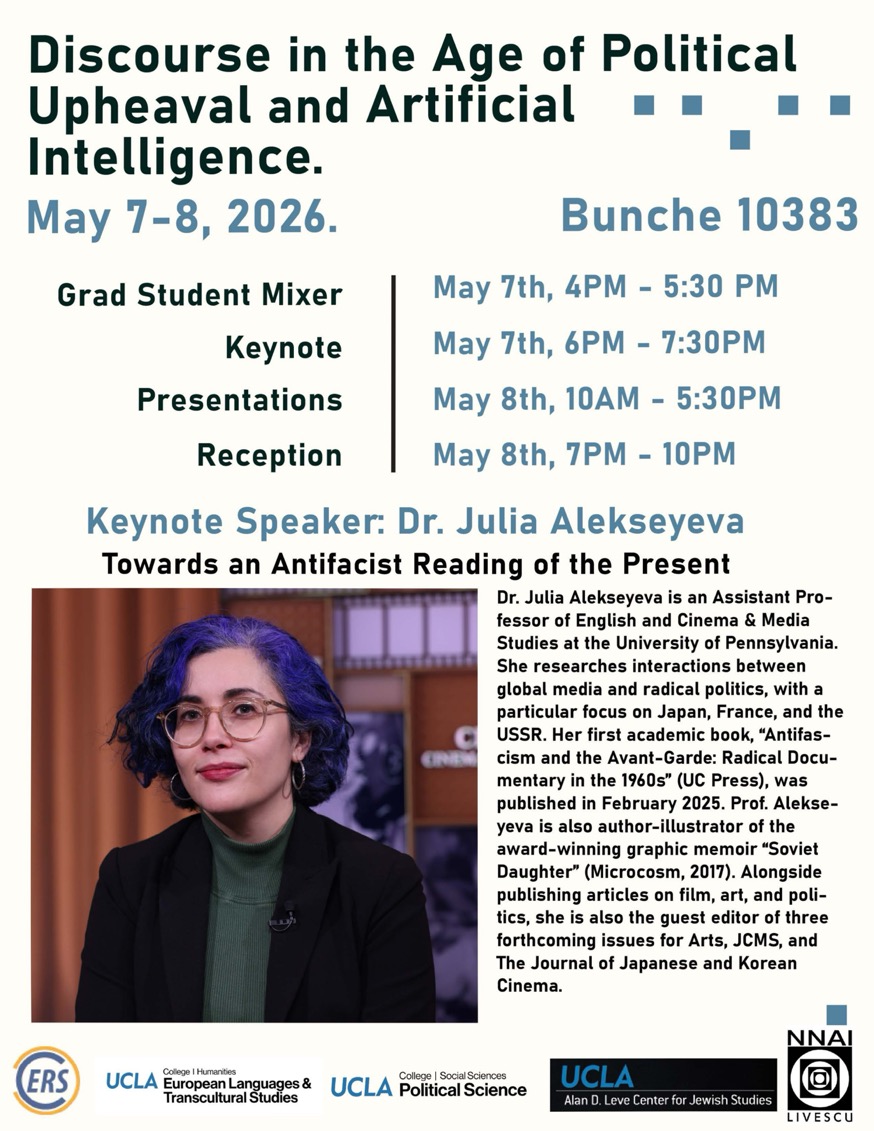
Discourse in the Age of Political Upheaval and Artificial Intelligence
Shae Himmelberger
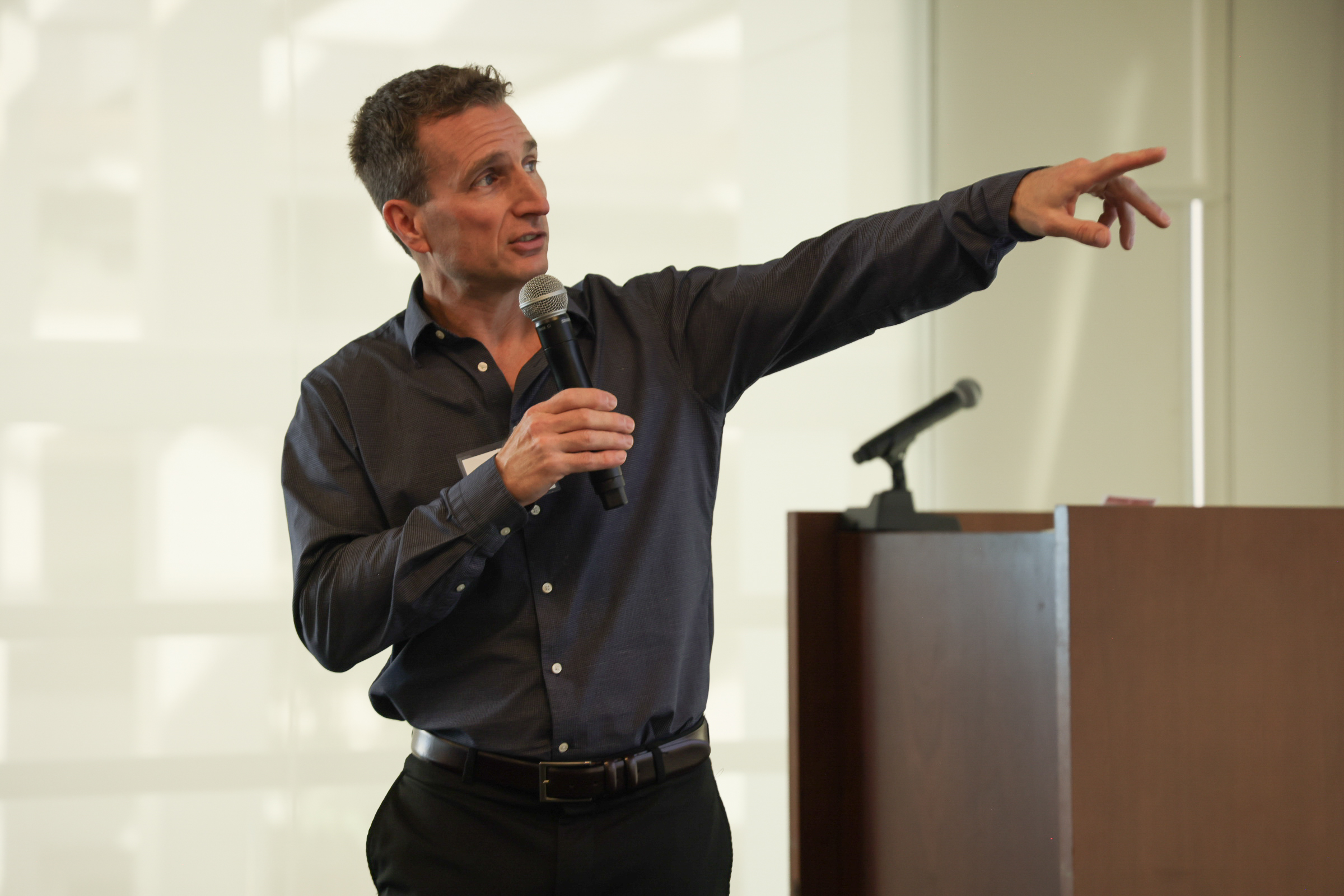
Holocaust Testimony in the Age of AI: History, Memory, and Ethics
Todd Presner

Symposium on Sound and Hate Studies
Kathryn Huether
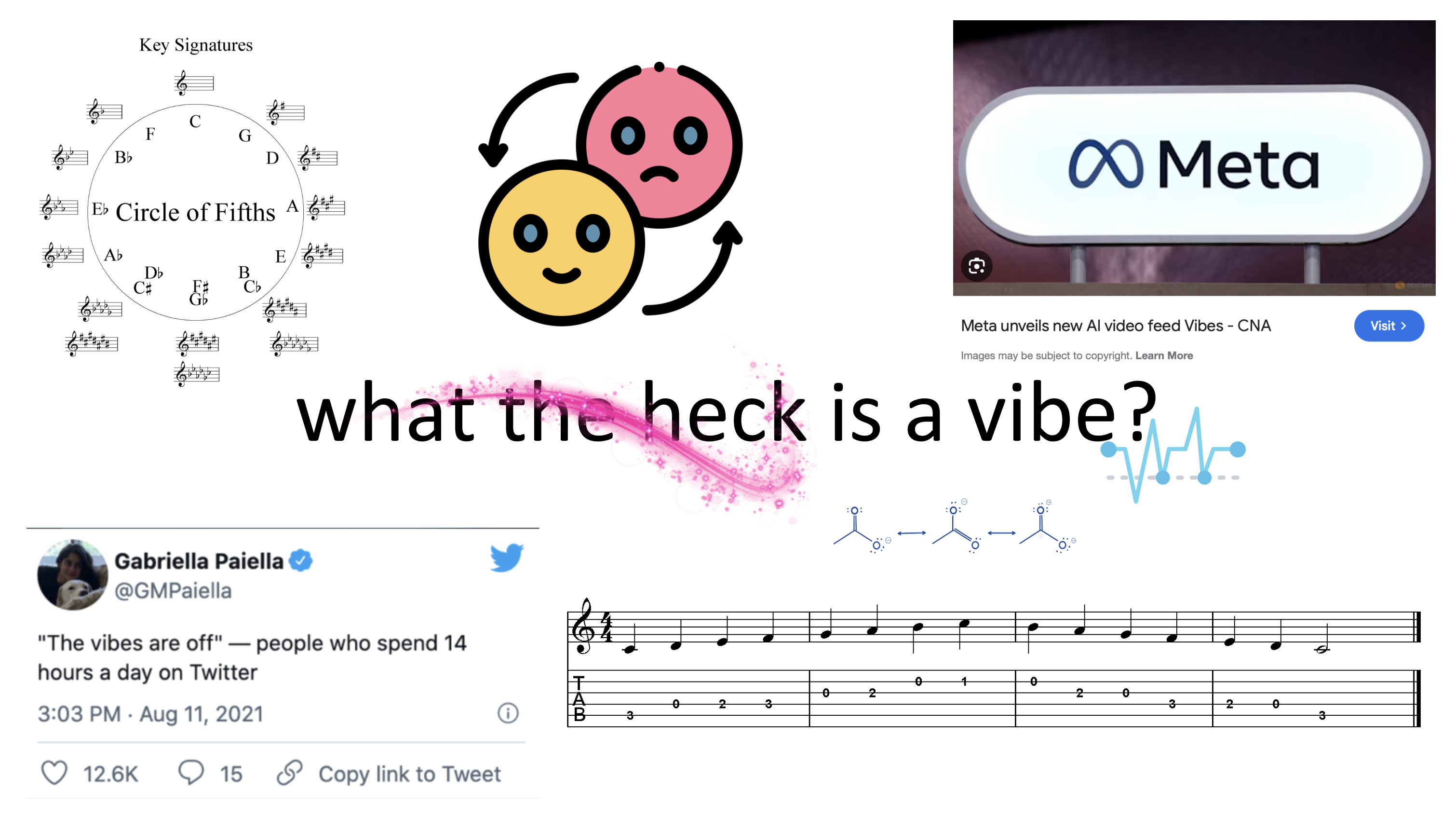
Vibecrunching: Heuristic Interpretation of Information in the Age of AI
Sophia Toubian
IRG Session
Sophia Toubian
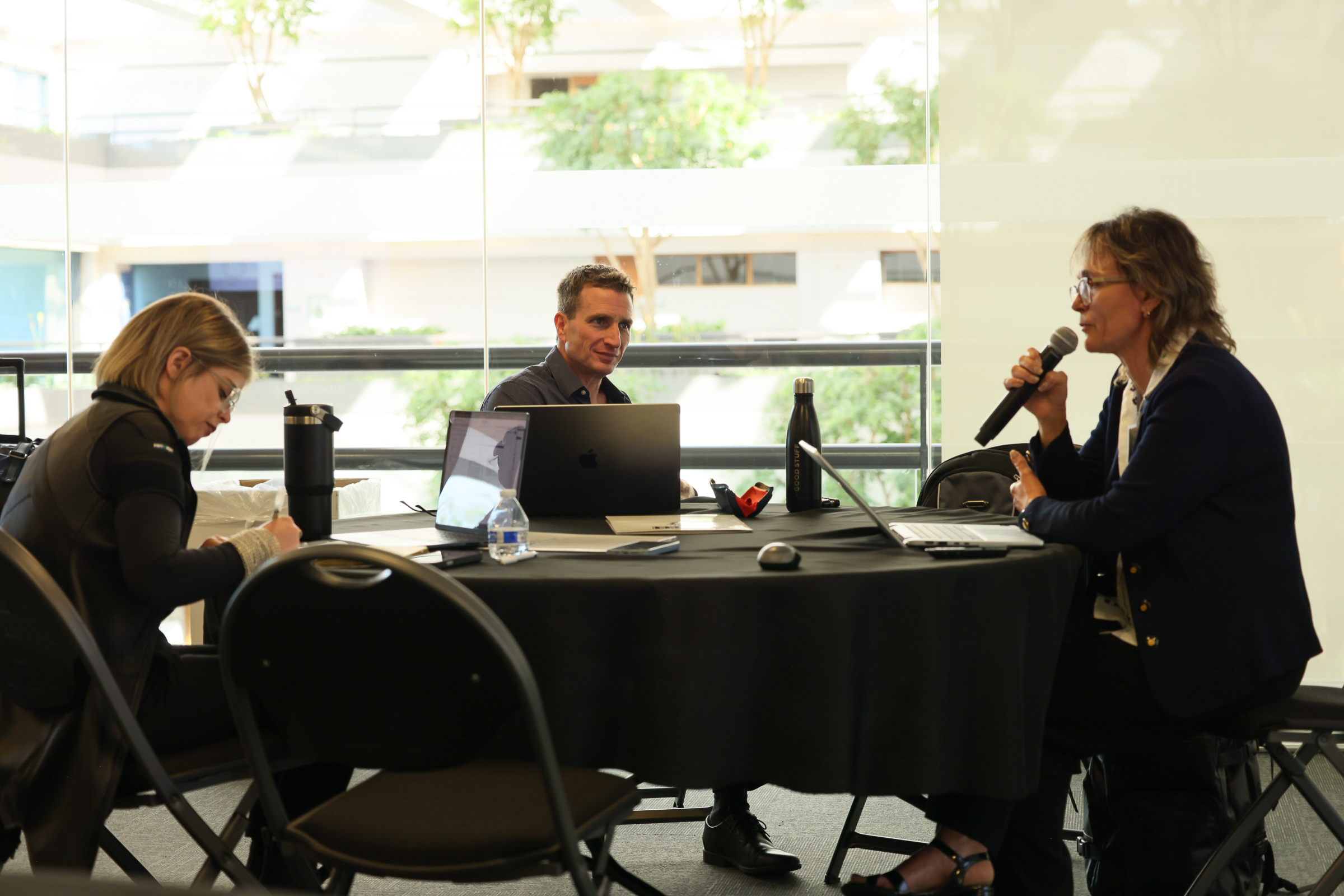
Act of Translation: Personal Stories in a Post-Survivor World
Kathryn Huether, Todd Presner
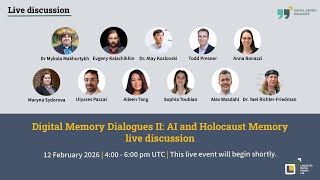
Live Discussion: AI and Holocaust Memory
Mykola Makhortykh, Maryna Sydorova, Evgeny Kalachikhin, Atay Kozlovski, Todd Presner, Anna Bonazzi, Ulysses Pascal, Aileen Tang, Sophia Toubian, Alex Wasdahl, Yael Richler-Friedman
Digital Preservation or Digital Erosion?: The Ethics of Representing Anne Frank in AI
Kathryn Huether
Sonic Antisemitism: Auditory Mechanisms of Hate on Social Media
Kathryn Huether
Generative AI
Ramesh Srinivasan, Todd Presner, Karen R. Lawrence
Press

Culture and ethics meets tech: UCLA debuts country's first bachelor's in digital humanities
UCLA is launching the nation's first digital humanities department and bachelor's degree this fall, pairing classical humanities with technical training to examine a digitized, AI-enhanced world. Todd Presner argues that bridging computational and humanistic fields strengthens both.

UCLA launches nation's first digital humanities department
Sean Brenner, Todd Presner
UCLA has established the first independent digital humanities department in the United States and will award the nation's first bachelor's degree in the field. Todd Presner, who co-led the departmentalization effort, discusses preparing students to steer and steward new technologies responsibly.

USC and UCLA launch AI and digital humanities majors to meet rising job demand
USC and UCLA are embedding AI into undergraduate coursework, with USC's Viterbi School launching its first AI degree and UCLA opening the nation's first freestanding Department of Digital Humanities. Todd Presner describes teaching AI's long history and having students build and then manipulate historical narratives to expose the risks of misinformation.
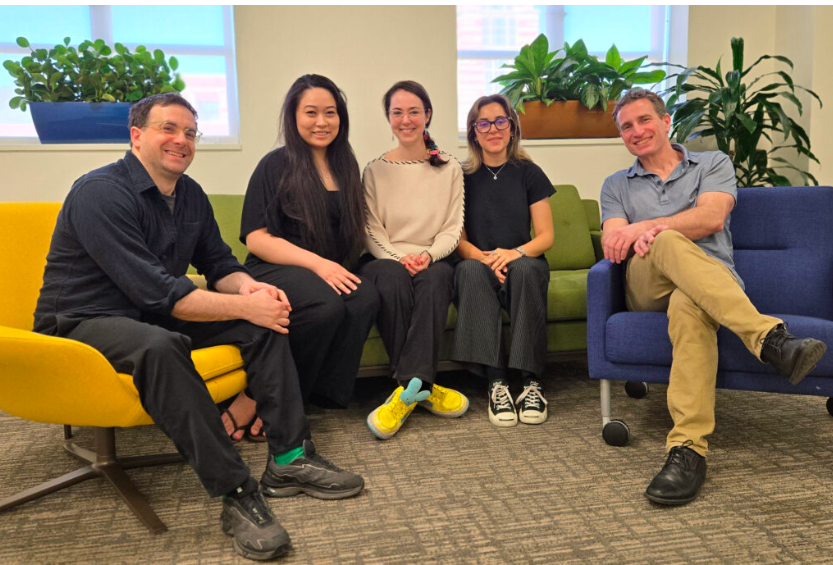
Team led by Todd Presner receives $308,000 grant to study how AI is shaping Holocaust history
Sean Brenner, Todd Presner, Ulysses Pascal, Anna Bonazzi, Aileen Tang, Sophia Toubian
As a tool for teaching and learning history, artificial intelligence has become a double-edged sword. “AI has the potential to make historical knowledge more broadly accessible,” said Todd Presner, UCLA professor of European languages and transcultural studies. “But it also has the potential to undermine historical truths and imperil historical knowledge.” That dichotomy underpins a three-year project led by Presner through UCLA’s AI and Cultural Heritage Lab, exploring the promise and pitfalls of generative AI in sharing — and shaping — historical information about the Holocaust. Now, Presner’s lab has received a $308,000 grant from the Conference on Jewish Material Claims Against Germany (Claims Conference), to support the project, “Prompting the Past: Generative AI and Holocaust History.” The project grew out of a collaboration with the U.S. Holocaust Memorial Museum. The funds will enable research in four primary areas: understanding how AI is shaping public knowledge of the Holocaust, exploring how AI models engage with existing large-scale Holocaust archives, documenting how AI fosters Holocaust disinformation on social media, and developing a set of best practices for the use of generative AI by museums, libraries and educators.
The Algorithm as Witness: Reimagining Holocaust Memory in the Digital Age
Todd Presner
Todd Presner discusses the ethics of algorithms and Holocaust memory. Hosted by Deb Donig.
Ethics of the Algorithm
Todd Presner
Video presentation by Todd Presner on the ethics of algorithmic approaches to Holocaust memory.